Saturday, 29 December 2012

Selecting Your Warm Layer

There are many types of warm layer from a down jacket to a simple fleece. All have their uses alongside different advantages and disadvantages of the different material used.

Materials

  • Down - This is extremely warm and very expensive. But when it becomes wet or damp it loses most of its insulation properties. In Scotland down wouldn't be particularly useful as it will get wet quite quickly and therefore not be insulating in a short time. Down has its main use in the Alps or the Poles where it is dry rather than damp so the insulation isn't affected.
  • Synthetic - These are not quite as warm as down but in the UK this doesn't make a great deal of difference with the temperatures we get. When a synthetic material gets wet it can retain up to about 75% of its warmth. These are still expensive jackets but are worth investing in (normally called Belay Jackets). Synthetic jackets are useful as an extra layer to throw over all existing layers when you stop to add extra insulation to prevent you cooling down (this is useful especially in winter).
  • Fleece - This is the cheapest of the materials and the most useful, they are lightweight and can be packed away quickly. They can be layered on top of each other to increase the warmth. They retain most of their warmth if they get wet. While it is a synthetic fabric, it is separate in this list as it is not filled. Fleece Jackets are mainly useful as the Mid Layer of the layering system because of their insulating properties and the lightweight properties in comparison to other materials.
  • Wool - This becomes really heavy when wet and is not recommended at all for mountaineering with.
  • Softshell - Effectively this is a fleece jacket that is coated so that it doesn't let any air through and is water resistant (not waterproof!). This is versitile and very useful, it adds extra insulation properties to a Fleece and is still very lightweight.
Recommended Kit

  • Fleece Jacket
    • Low Budget (Bear Grylls Bear Originals Microfleece - £30)


    • Medium Budget (Mountain Hardwear Microchill Zip Top - £50)
Click to close

    • High Budget (The North Face Mortimor 1/2 Zip Pullover - £75)
  • Softshell Jacket
    • Low Budget (Craghoppers Track Jacket - £50)
Click to close
    • Medium Budget (Mountain Equipment Arrow Jacket - £90)
Click to close
    • High Budget (The North Face Mens Apex St Elias Soft Shell Jacket - £130)
Click to close
  • Belay Jacket
    • Low Budget (Keela Belay Advance Jacket - £75)
belay_2_1.jpg (1200×1200)
    • Medium Budget (Rab Photon Jacket - £120)
Click to close
    • High Budget (Vaude Khumbu Jacket - £175
All Prices are based on RRP: you can get them allot cheaper elsewhere online eg ebay or other online retailer.

Avalanche Risks

The MCofS website has lots of useful information on it including Avalanche Risks, which it covers especially well.


Selecting Your Base Layer

There are a few types of base layers but their functions are very similar, they all trap a thin layer of air against the body. This helps keep the body warm, another function a base layer should perform is to wick sweat away from the body, this also maintains warmth. Base layers can be used in summer or winter, it is a personal preference as to when you wear them.

Materials
There are 2 main materials which are used in base layers:

  • Merino Wool - This wool comes from the Merino Sheep and is thin, lightweight and odor resistant. It is ideal for freezing conditions and as it is lightweight it is ideal for a base layer. This is unfortunately more expensive in comparison to synthetic.
  • Synthetic - These are a man made fiber that is lightweight and has wicking properties. These have less odor resistance than Merino Wool but dry faster. Synthetics are quite a bit cheaper than Merino Wool.
Note
Base layers do not prevent sweat, they wick the sweat away quickly to help prevent heat loss. 

No Cotton
Cotton stores water which can lead to less comfort and of course hypothermia.
Remember: 
COTTON = DEATH

Recommended Base Layers
These are for sets of base layers, so a top and bottom to keep you nice and toasty.
  • Low Budget (Regatta Adventure Tech Fleece Baselayer Set - £25):

  • Medium Budget (Helly Hansen Mens Lifa Twin Pack - £60):
Click to close
  • High Budget (Helly Hansen Mens Merino Twinpack - £110):
All Prices are based on RRP: you can get them allot cheaper elsewhere online eg ebay or other online retailer.

Friday, 28 December 2012

The Layer System

The layering system is a simple concept where different layers of clothing are combined to keep warmth in and water/wind out. Each layer of the system has a specific purpose that it has been designed to do, this means that you can easily change what you are wearing without carrying extra bulk. This results in a more efficient use of clothing.
The following video explains this:


Referring to http://www.abc-of-mountaineering.com/articles/mountaineeringlayeringsystem.asp for a great explanation:


The Layering System

In general, there are four types of layers:
  1. Base Layer: The task of the base layer is to maintain a dry and comfortable microclimate next to your skin. The base layer will therefore absorb all the moisture from your skin and then spread it out over the surface of the base layer where it will be evaporated via the other clothing layers. Typical base layer fabrics are: CoolMax® , Polartec® PowerDry®, Patagonia® Capilene®,and Helly Hansen Lifa. This knowledge will also help you to make the right choice when buying clothing.

  2. Insulation Layer(s): This layer provides more warmth if the base layer and the shell layer do not provide enough insulation on their own. It traps small pockets of air in the fabric the insulation layer is made of which slows down the loss of heat. Typical insulation fabrics are: Polartec® Classics® ,Berber pile, and Windstopper®.

  3. Shell Layer:The shell layer provides protection from wind, rain, sleet, and snow, without allowing the build-up of condensation inside the clothing system. It protects while allowing moisture vapor to pass through. Shell fabrics are Gore-Tex, Hyvent, Aqua-Dry, and Dri-Lite.

  4. 'Super' Insulation Layer. It is enough for most people to have the first three layers. However, in extremely cold conditions, you will need to add a large amount of insulation as a fourth layer. Down and Polarguard can both be ussed for this layer.
We will go through this layering system in detail as it is essential for surviving in the mountains. Also notice the links at the bottom of each type of gear - these will link you to our shop where you can immediately buy your gear! 
In our special section, you can read more on High Performance Fabrics

Base Layer

Thermal Underwear
  1. Thermal Body Shirt
    Depending on the temparature (make sure to check this), you will want to use thermal underwear as a first level of clothing. It will keep you warm and dry by transferring moisture to the next layer.
  2. Thermal Pants
    Depending on the temparature (make sure to check this), you will want to use thermal underwear as a first level of clothing. It will keep you warm and dry by transferring moisture to the next layer.
  3. Socks
    To keep your feet warm, dry, and padded against hard impacts, you will want to use thick socks, preferably special Mountaineering socks that will give you more specialized features.

Insulation Layer

Insulation Layering
  1. Fleece Jackets or Sweater
    As a second layer, you will want a Fleece or a Wool sweater.

  2. Shell Pants
    On top of your base layer, put on your Shell Pants. Good Pants should protect from the wind, cold, and the rain.
  3. Mountaineering Boots
    Good Boots are necessary not only to protect your feet, but also to give you good support on the long hikes.

Shell Layer

Shell Layer
  1. Mountaineering Jacket
    Finish off your upper body layering with a waterproof and windstopping jacket or top shell.
  2. Gloves
    Protect your hands from snow, ice, and impacts with padded gloves.


Selecting Waterproof Trousers

Waterproof trousers are another key piece of kit and the same consideration that goes into selecting waterproof jackets needs to go into selecting waterproof trousers.

Seasons
There are a few features which are useful to have in waterproof trousers (as with waterproof jackets it depends on the season that they are going to be used in as to what features are useful) such as:
  • All
    • Side Zips (Full length is more useful)- These help temperature management and allow them to be put on without removing boots.
    • Exterior Pockets - Essential for map storage, keeping things handy or putting hands in.
    • Adjustable Ankle Straps - Help keep the wind and water out.
  • Summer (Ideally Sunny and Showers)
    • Packable - For storage in rucksacks while not in use.
    • Lightweight - You don't want to carry a huge coat for summer it can be a waste.
    • Breathable - As it is warmer you will sweat more and a breathable trousers ill help. These trousers are normally more expensive and it depends on the pressure outside of the trousers in comparison to the inside of the trousers as to whether they are breathable or not. 
  • Winter (Snow and Ice)
    • Tough - You don't want to rip something easily when it is freezing and blowing a gale.
    • Heavyweight - This will normally be more durable and less likely to rip than a lightweight trousers.
The same manufacturers and materials are generally good for trousers as they are for jackets...

Materials
As mentioned previously there are many materials, such as Gore-Tex and Event fabrics which have a good reputation for being waterproof and a little breathable. There are many others where manufacturers make their own material to achieve the same effect. Generally a lighter weight jacket for summer has 2 layers of fabric to allow for extra breath-ability. A heavier weight winter jacket generally has 3 or 4 layers of fabric to  be tough and not rip easily and conserve heat.

Manufacturers
There are many manufacturers of waterproof jackets, some good companies to purchase from are:
  • Keela - They are a Scottish company who sell good kit at a reasonable price.
  • Mountain Equipment - They are an English company who sell great kit but at an expensive price.
  • Mountain Hardware - They are an American company who sell great kit at a reasonable price.
  • The North Face - They are an American company who sell great kit at a high price.
  • Marmot - They are an American company who sell great kit at a high price.
  • Berghaus - They are an English company who sell good kit at a reasonable price.
  • Rab - They are an English company who sell great kit at a slightly expensive price.
The list goes on...

Recommended Kit
We in the club have Keela jackets in the store which have stood the test of time. We have created the following short list for summer or winter, taking budget into account:

  • Summer:
    • Low Budget (Keela Multi Activity Trousers - £42)


    • Medium Budget (Berghaus Mens Deluge Overtrousers - £50)
Click to close

    • High Budget (Marmot Precip Pants - £65)


  • Winter
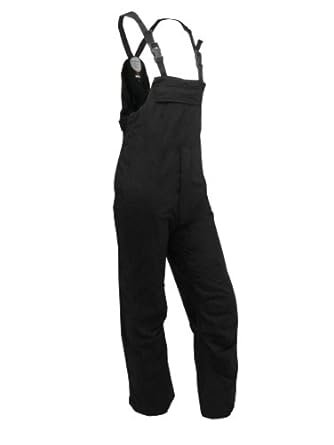
    • Low Budget (Keela Munro Salopettes - £125)

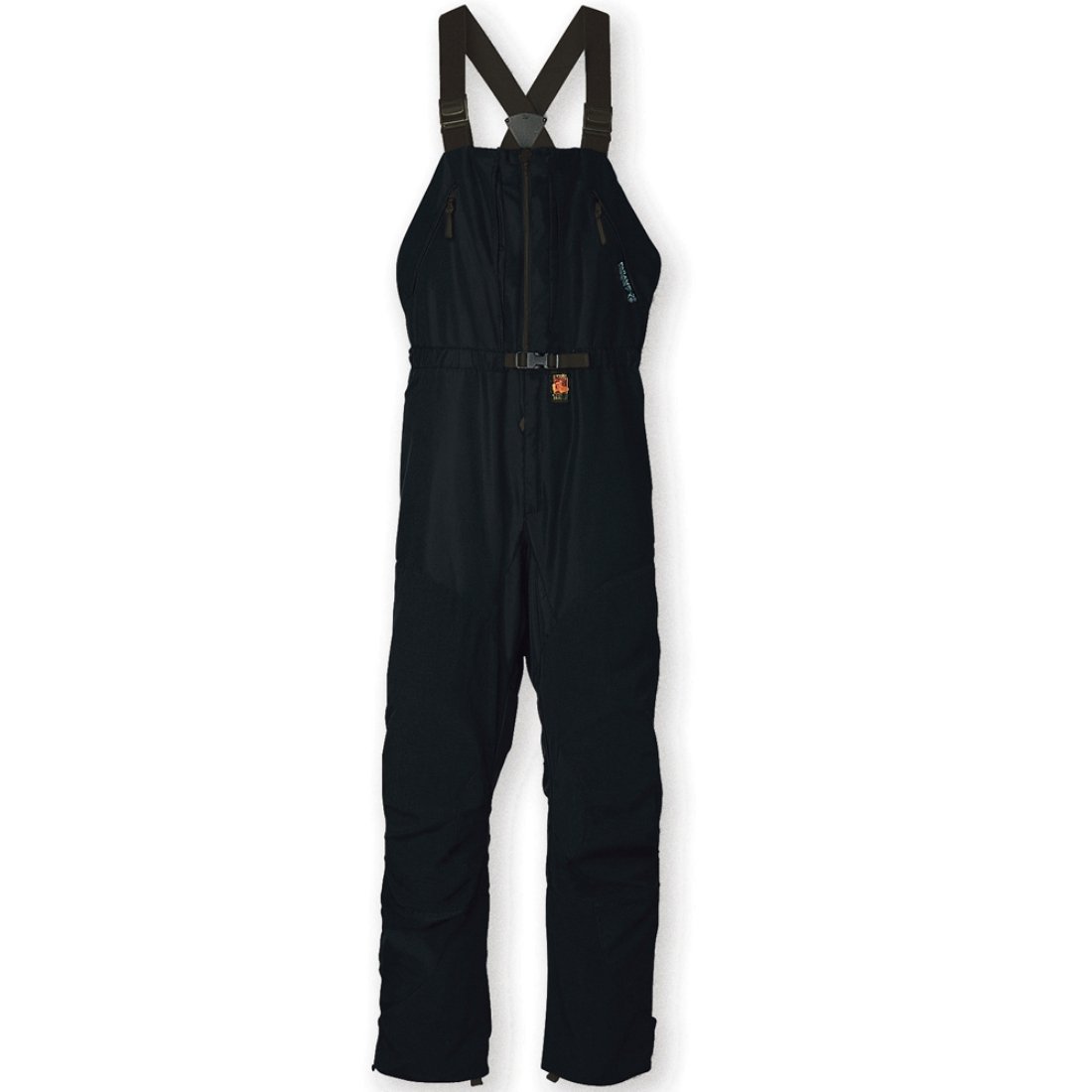
    • Medium Budget (Páramo Aspira Salopettes - £200)


    • High Budget (Rab Latok Salopettes - £250)
Latok Salopettes
All Prices are based on RRP: you can get them allot cheaper elsewhere online eg ebay or other online retailer.

Thursday, 27 December 2012

Selecting A Waterproof Jacket

A Waterproof Jacket is something that you should take with you on any walk, no matter where you are. However there are many types of waterproofs out there and it can be quite confusing to know what to look for, with different materials from different manufacturers. Remember if you go for a manufacturer with a good reputation for making quality goods you will likely get a good product from them and you won't be looking for a new jacket for a while.

Of course in the mountains in winter you will most likely need a different jacket from a summer jacket used around town. 

Seasons
Firstly lets go through what you may need in different seasons of which there are 2 main seasons in the UK.
Here are the recommended features for each:
  • All
    • Adjustable Hood - This is essential no matter where you are, whether fold-able or not you shouldn't venture into the mountains with a waterproof without a hood.
    • Pit Zips - These help temperature management.
    • Interior Pocket - Lets face it somethings we want to have handy and dry (or warm in winter).
    • Exterior Pockets - Essential for map storage, keeping things handy or putting hands in.
    • Waterproof Zip/Storm Flap - Whether it is a full length, 1/4 length etc it is very useful for temperature management.
    • Adjustable Wrist Straps - Help keep the wind out.
  • Summer (Ideally Sunny and Showers)
    • Packable - For storage in rucksacks while not in use.
    • Lightweight - You don't want to carry a huge coat for summer it can be a waste.
    • Breathable - As it is warmer you will sweat more and a breathable jacket will help. These jackets are normally more expensive and it depends on the pressure outside of the jacket in comparison to the inside of the jacket as to whether they are breathable or not. 
  • Winter (Snow and Ice)
    • Tough - You don't want to rip something easily when it is freezing and blowing a gale.
    • Heavyweight - This will normally be more durable and less likely to rip than a lightweight jacket.
Materials
As mentioned previously there are many materials, such as Gore-Tex and Event fabrics which have a good reputation for being waterproof and a little breathable. There are many others where manufacturers make their own material to achieve the same effect. Generally a lighter weight jacket for summer has 2 layers of fabric to allow for extra breath-ability. A heavier weight winter jacket generally has 3 or 4 layers of fabric to  be tough and not rip easily and conserve heat.

Manufacturers
There are many manufacturers of waterproof jackets, some good companies to purchase from are:
  • Keela - They are a Scottish company who sell good kit at a reasonable price.
  • Mountain Equipment - They are an English company who sell great kit but at an expensive price.
  • Mountain Hardware - They are an American company who sell great kit at a reasonable price.
  • The North Face - They are an American company who sell great kit at a high price.
  • Marmot - They are an American company who sell great kit at a high price.
  • Berghaus - They are an English company who sell good kit at a reasonable price.
  • Rab - They are an English company who sell great kit at a slightly expensive price.
The list goes on...

Recommended Kit
We in the club have Keela jackets in the store which have stood the test of time. We have created the following short list for each season and some all rounders, taking budget into account:


  • All-Rounders
    • Low Budget (Sprayway Santiago Interactive Jacket - £70)

    • Medium Budget (Montane Atomic DT 2.0 2009 - £100)

    • High Budget (Rab Drillium 2009 - £160)

  • Summer
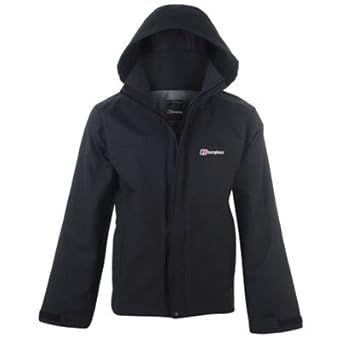
    • Low Budget (Berghaus RG1 Jacket - £90)

    • Medium Budget (Berghaus Askival Paclite® Shell GORE-TEX® Jacket - £130)

    • High Budget (Haglofs Astral Jacket - £215)


  • Winter
    • Low Budget (Keela Munro Jacket - £160)

    • Medium Budget (Rab Latok Alpine Jacket - £220)
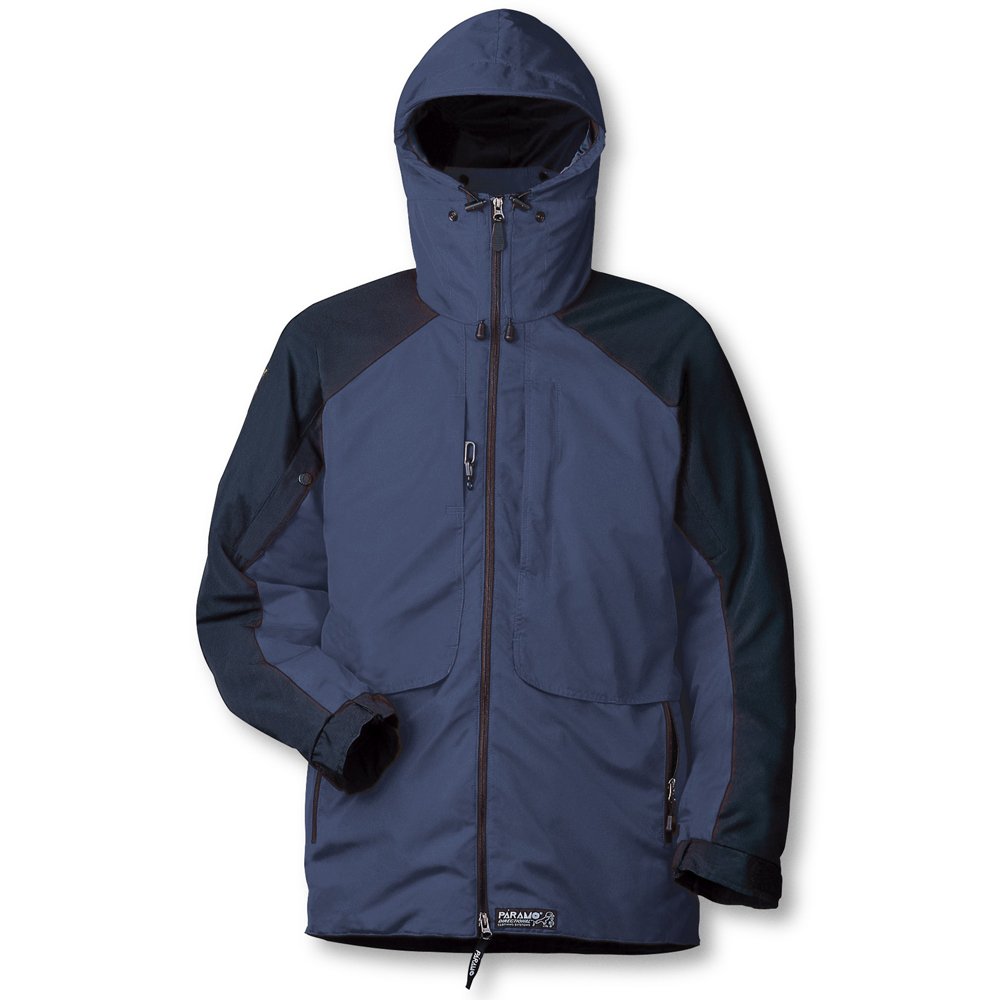
    • High Budget (Paramo Mens Alta II Jacket - £245)


All Prices are based on RRP: you can get them allot cheaper elsewhere online eg ebay or other online retailer.

Monday, 24 December 2012

Introduction To Navigation Slides

These are the slides from the Introduction to Navigation Session, please feel free to have a look through.

Below is the website that we use for explaining where we will go on the trip and which route (or routes) we will most likely take.

Friday, 14 December 2012

Winter Skills Course Kit List (Our Own On 18th to 20th January 2013)


Here is what you will need to do our own winter skills course. Everything labeled with a ST we can provide. This is a list of essentials, you will need at least this kit, if not you won't be able to go out in the mountains.

  • Rucksack (ST)
  • Boots (stiff soled) (We will be collecing these from Tiso in Perth)
  • Gaiters (ST)
  • Waterproof jacket (with hood)
  • Waterproof overtrousers 
  • Ice Axe (ST)
  • Crampons (ST)
  • Helmet (ST)
  • Thermal top or vest
  • Fleece or wool sweater
  • Spare fleece
  • Warm mountain trousers
  • Thick socks
  • Compass (ST)
  • Map 
  • Map case
  • Warm hat
  • Gloves or mitts 
  • Spare gloves or mitts (recommended to have 2+ sets of gloves)
  • Ski goggles - These are extremely highly recommended!
  • Headtorch (and spare bulb & batteries) (ST)
  • Thermos flask or water bottle 
  • Container for packed lunch - bag or box

Sunday, 2 December 2012

Climbing Update

We went climbing today and managed to avoid the football crowds at the Ibrox! Today we all got some decent climbing done and a good day was had by all.

We will be going climbing on Wednesday and again next week.

We are all looking forwards to the end of exams and will be looking forwards to the winter skills following that.